
For individuals and families relocating to Massachusetts, navigating new rules and regulations is part of settling in. One area where the Commonwealth stands out is its notably strict gratuity laws. Whether you're beginning a job in the service industry, opening a business, or simply dining out in your new community, understanding how tips must be distributed is essential. Massachusetts is one of the toughest states in the nation when it comes to protecting tipped workers — and the penalties for getting it wrong can be costly.
Clear Rules on Who Can Receive Tips
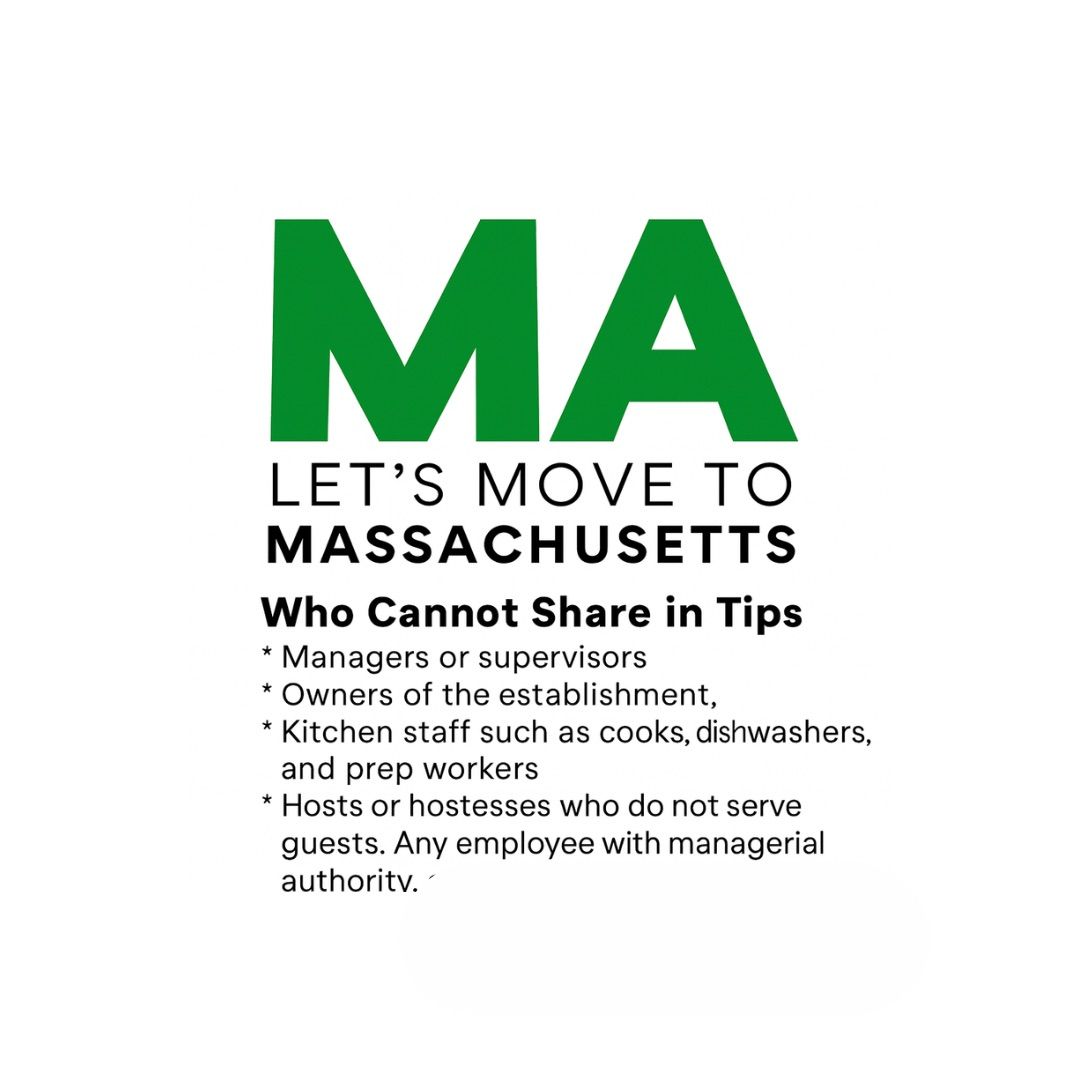
Under Massachusetts law, gratuities can only be distributed to employees who fall within specific categories: wait staff employees, service bartenders, and bartenders. These workers are considered the backbone of tipped service and rely heavily on gratuities to supplement the lower tipped minimum wage.
The law defines wait staff employees as those who serve food or beverages directly to customers or clear tables. Bartenders and service bartenders fall under similar guidelines, provided that serving customers is their primary function.
These workers are legally entitled to receive tips directly or through a tip pool shared exclusively with other eligible tipped employees. The aim is to ensure that workers who earn the bulk of their income from tips receive the full value of those gratuities without interference from other personnel.
Why Massachusetts Enforces These Rules So Strictly
Massachusetts views gratuities as the property of the employees who earn them. To safeguard that income, the state has enacted strong worker protection laws. These regulations help prevent exploitation, wage theft, and unfair labor practices, ensuring that workers who depend on tips receive their full earnings.
For newcomers starting service jobs, these laws offer peace of mind and financial stability. For employers, they provide a clear framework that, when followed, maintains trust and transparency within the workplace.
Penalties for Non-Compliance
Employers who disregard Massachusetts gratuity laws face significant repercussions. Violations can lead to:
- Mandatory repayment of improperly withheld or distributed tips
- Triple damages (a Massachusetts wage law standard)
- Attorney’s fees
- Court-ordered penalties
Because of the high stakes, restaurant and bar owners are strongly encouraged to train staff, review tip pooling practices, and seek legal guidance when necessary.
What This Means for New Residents
For individuals and families moving to Massachusetts, especially those entering the hospitality industry, understanding these laws can help ensure fair workplaces and informed decisions. Consumers, too, benefit from knowing that their tips directly support the workers who serve them — an important part of the state's commitment to labor fairness.
Massachusetts’ strict gratuity rules reinforce a culture of respect for service workers and contribute to a healthier, more transparent dining and hospitality environment. For many newcomers, this protection-focused approach is just one more reason the Commonwealth is known for strong worker rights and high standards of living.